
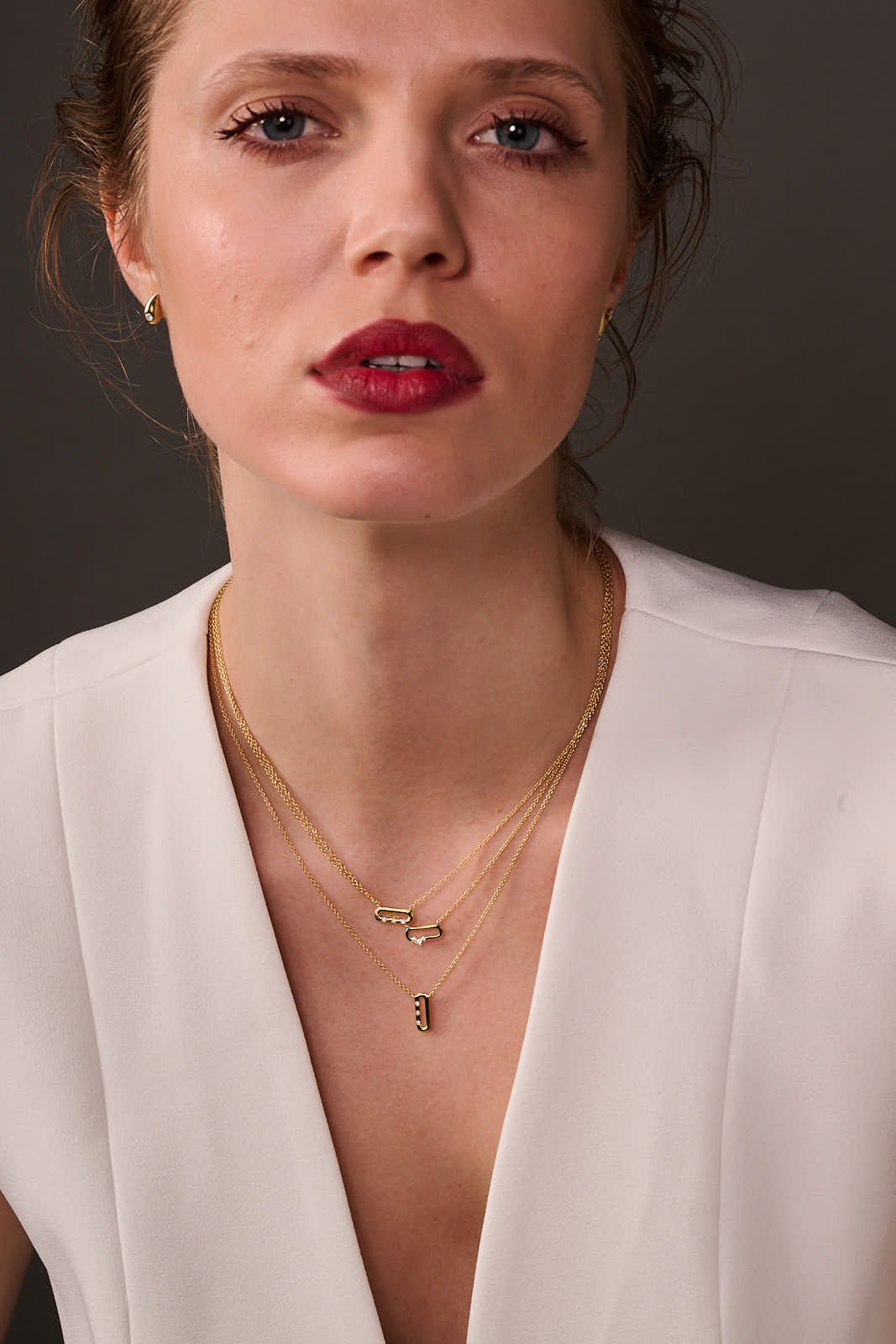
Lab-Grown Diamond Earrings Buying Guide
Style, Size, Metal, Setting, Closure and Price
Choosing laboratory-grown diamond earrings involves more than finding a design that sparkles. The right pair should suit how you intend to wear it, feel comfortable, use clearly disclosed materials and offer enough information for you to compare it fairly with other earrings.
Check the earring style, stone dimensions, total carat weight, metal, finish, setting, closure and returns policy before buying. Product photography is useful, but it should be supported by precise measurements and specifications.
This guide explains the main buying decisions without assuming that one style, size or budget suits everyone.
Quick Summary
- Stones clearly described as laboratory-grown diamonds
- Carat weight identified per earring or for the pair
- Stone dimensions given in millimetres
- Base metal and any plating stated separately
- Setting and closure shown clearly in photographs
- Complete earring dimensions and weight available
- Returns, warranty and aftercare explained
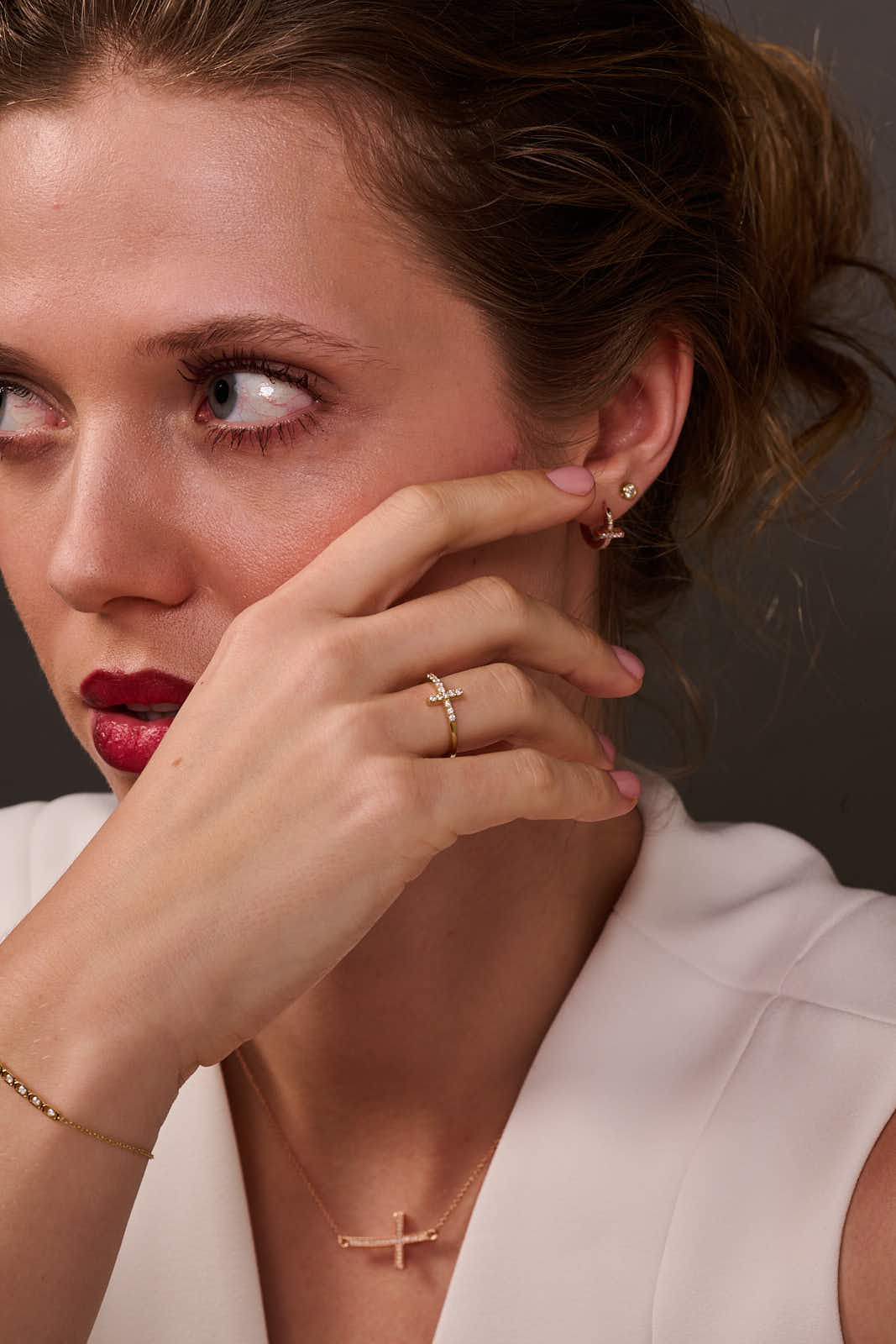
Quick buying checklist
Before purchasing, confirm:
- The stones are clearly described as laboratory-grown diamonds.
- The total carat weight applies to the pair or is identified per earring.
- Stone dimensions are provided in millimetres.
- The product identifies the base metal and any plating.
- The setting and closure are shown clearly.
- The complete earring dimensions and weight are available.
- The product photography includes scale or an on-ear view.
- The returns policy covers earrings and any hygiene restrictions.
- Warranty, repairs and aftercare are explained.
- Price, availability and currency are current.
A laboratory-grown diamond is diamond material created through a controlled technological process. For a complete explanation of its production and properties, start with the foundational guide.
See also: What are lab-grown diamonds?
1. Decide how you intend to wear the earrings
Begin with the situations in which you are most likely to wear the pair. A versatile first purchase requires different proportions from an earring intended primarily for formal events or a multi-piercing ear stack.
| Wearing preference | Suitable direction | What to check |
|---|---|---|
| Simple, versatile pair | Stud earrings | Stone diameter, setting height and backing |
| Close-fitting modern style | Huggies | Inner diameter, hinge and post position |
| Visible circular shape | Hoops | Diameter, width, weight and closure |
| Movement and length | Drop earrings | Drop length, weight and snagging risk |
| Decorative or symbolic design | Motif earrings | Dimensions, orientation and stone security |
| Multiple piercings | Small studs or huggies | Scale, spacing and compatibility with nearby earrings |
| Formal appearance | Drops or more visible studs | Comfort, hairstyle and neckline |
| First diamond earring purchase | Simple studs or compact huggies | Versatility, comfort and secure closure |
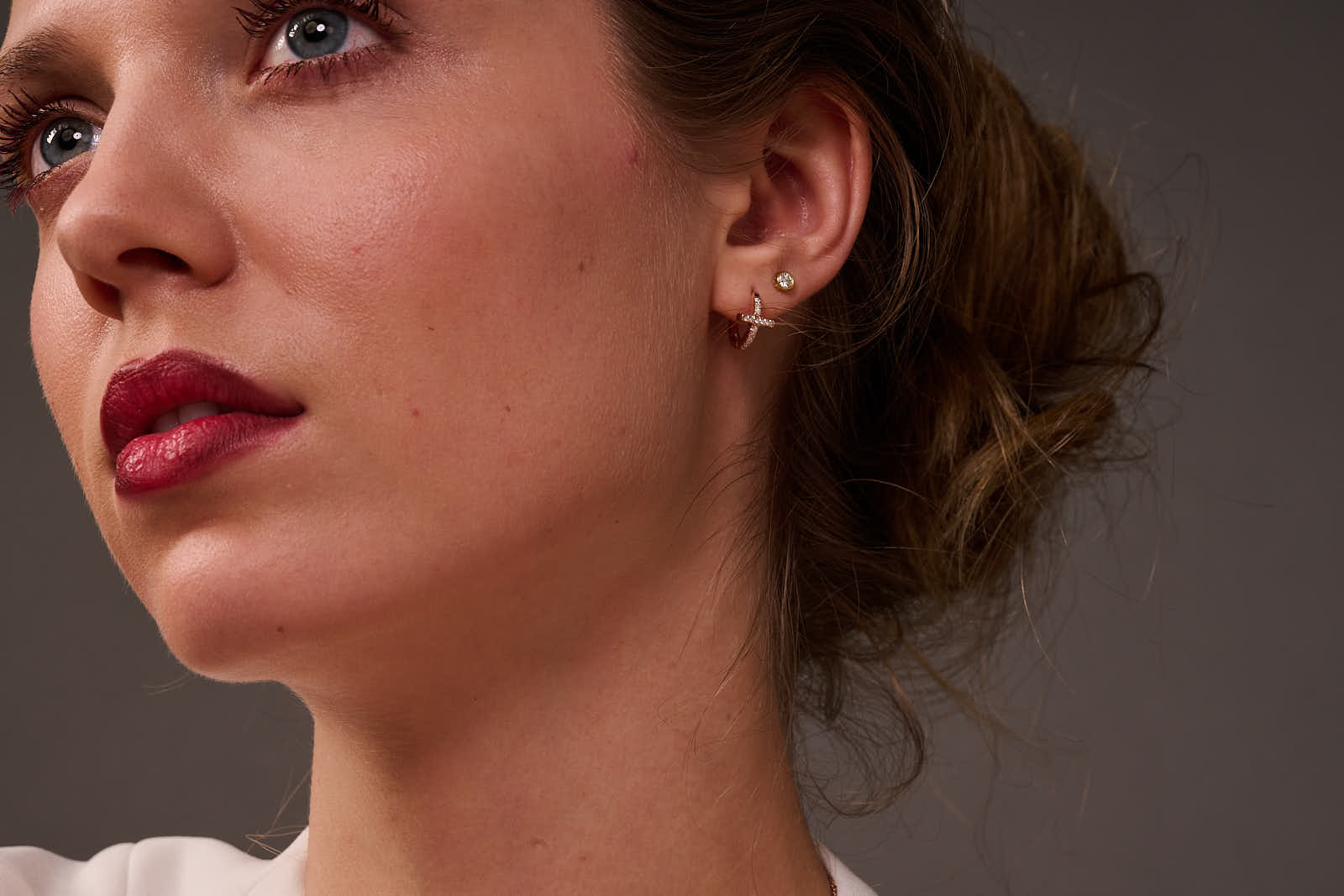
A style should be selected for the wearer's actual routine—not only for how impressive it looks in a product photograph.
See also: Lab-grown diamond stud earrings guide
See also: Lab-grown diamond drop earrings guide
See also: Lab-grown diamond hoop earrings guide
Explore Our Store
View all→2. Understand size, dimensions and carat weight
Carat measures diamond weight. It does not directly describe how large an earring will look on the ear.
For earrings, a product may state:
- Carat weight per stone
- Carat weight per individual earring
- Combined total carat weight for the pair
- Total weight across multiple small diamonds
- The weight of only the main stones
For example, a one-carat total-weight pair may contain approximately half a carat in each earring. However, the distribution can differ in designs using several stones.
The product page should explicitly identify whether the stated weight applies to the pair or each earring. Avoid relying on assumptions.
Why millimetres matter
Millimetre measurements help you understand visible size. Check:
- Stone diameter
- Complete earring width and height
- Setting depth
- Hoop diameter
- Huggie inner diameter
- Drop length
- Distance from the piercing to the bottom of the earring
Two pairs with the same total carat weight can look different because of their cut, setting, stone count and design.
See also: Lab-grown diamond earring size guide
3. Check the diamond information
A trustworthy product listing should clearly identify the stones as laboratory-grown diamonds. Look for:
- Laboratory-grown disclosure
- Diamond shape
- Number of diamonds
- Total carat weight
- Dimensions where available
- Quality description
- Any treatments that require disclosure
- Whether independent documentation is included
- Whether the stones are HPHT- or CVD-grown, if stated
HPHT and CVD describe production methods. One method is not automatically better simply because of its name. The finished diamond, cut, matching and product construction are more useful buying considerations.
Does every earring need a diamond report?
Not necessarily. Earrings frequently contain smaller diamonds or multiple stones that may not have individual laboratory reports. Individual grading can be impractical for very small stones.
The absence of an individual report does not remove the retailer's responsibility to provide accurate stone and material information. Ask how the diamonds were sourced, identified and quality-controlled.
For larger individual stones, check whether any report number, assessment or inscription is supplied and how it can be verified.
4. Consider cut, shape and matching
Cut quality influences how a diamond returns light. Carat weight alone does not guarantee a bright or attractive appearance.
For a pair of earrings, the stones should also look appropriately matched. Check whether they appear consistent in:
- Visible dimensions
- Shape
- Colour appearance
- Brightness
- Setting height
- Position on the ear
Perfect numerical matching is not always necessary in artistic or intentionally asymmetric designs. However, a classic stud pair should look balanced when worn.
Common diamond shapes include round, oval, pear, marquise and geometric forms. Round brilliant cuts are widely used in studs because of their balanced light performance, but shape preference is personal.
5. Check the metal and finish
The diamond is only one component. The metal affects appearance, comfort, care and how the earrings wear over time. The product specification should identify:
- Base metal
- Fineness, such as 925 sterling silver
- Whether the piece is solid or plated
- Plating material
- Finish colour
- Any nickel or allergen-related disclosure
- Hallmarking where applicable
"Gold colour", "gold tone", "gold-plated" and "solid gold" are not interchangeable descriptions.
Choosing a finish colour
Yellow gold creates a warmer appearance. White or silver-toned finishes create a cooler appearance, while rose gold adds a softer pink tone. Choose based on the wearer's existing jewellery and personal preference rather than assuming one colour suits everyone.
See also: 925 sterling silver jewellery guide
See also: 14kt gold-plated jewellery guide
6. Evaluate the stone setting
The setting secures the diamond and influences how the earring looks and feels.
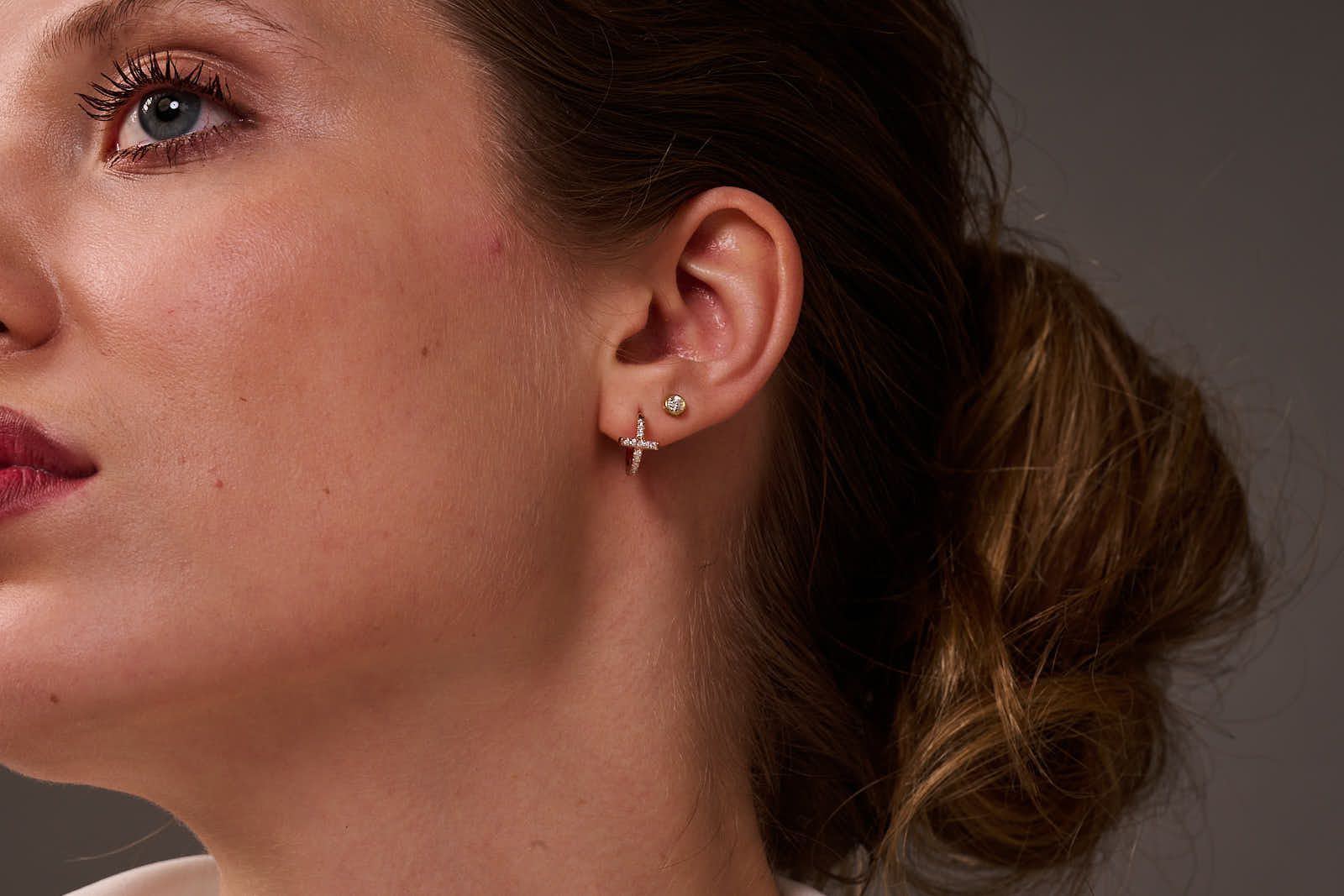
| Setting | Typical characteristics | Buying consideration |
|---|---|---|
| Prong setting | Holds the stone with small metal claws | Check prongs for evenness and security |
| Bezel setting | Metal surrounds all or part of the stone | Offers a smooth outline but can change visible size |
| Pavé setting | Multiple small stones set close together | Inspect stone security and repair policy |
| Channel setting | Stones sit between metal walls | Common in linear or hoop designs |
| Cluster setting | Several diamonds create a larger visual shape | Confirm total carat weight and stone count |
| Decorative motif | Stones follow a butterfly, floral or geometric design | Check edges, orientation and snagging points |
The best setting depends on the design and intended use. No setting is impossible to damage.
If a stone moves, a prong catches or the setting appears uneven, stop wearing the earring and arrange an inspection.
7. Select a suitable closure
A secure closure matters as much as the visible design.
Friction or butterfly backs
These slide onto a straight post and are common on stud earrings. They are easy to use, but the fit should not be so loose that the earring can slip off.
Screw backs
These twist onto a threaded post. They can feel secure but take longer to put on and remove. Confirm that the post feels comfortable for the wearer.
Hinged huggie closures
The post clicks into the opposite side of the hoop. Check that the hinge moves smoothly and the closure produces a clear, secure connection.
Latch backs
Often used for hoops and drops, latch backs close behind the ear. Inspect the alignment and test whether the mechanism remains secure.
Hook or wire fittings
These create movement in drop earrings. Depending on the design, an additional stopper may help reduce the risk of loss.
The product page should provide close photographs or video of the closure—not only front-facing images.
8. Check comfort and fit
An attractive pair will not be worn regularly if it feels heavy, presses against the ear or catches on hair and clothing. Consider:
- Total earring weight
- Post length and thickness
- Setting depth
- Hoop or huggie diameter
- Drop length
- Backing size
- Balance on the ear
- Nearby piercings
- Headphones, glasses or workplace equipment
- Hairstyle and clothing
A heavier backing can sometimes help a stud sit more upright, but comfort varies between wearers.
Sensitive ears
The diamond itself is not normally the relevant factor for skin sensitivity. The post, base metal, alloy, plating and individual sensitivity are more important.
"925 sterling silver", "gold-plated" and "hypoallergenic" do not guarantee that every wearer will avoid irritation. Check the complete material specification and seek professional medical advice for persistent reactions.
See also: Is 925 sterling silver hypoallergenic?
9. Compare prices correctly
When comparing two pairs, make sure the specifications are genuinely comparable. Check:
- Total carat weight
- Whether weight applies to the pair
- Stone count
- Stone dimensions
- Base metal
- Solid versus plated construction
- Setting complexity
- Closure
- Documentation
- Warranty
- Returns and aftercare
A lower price may reflect a smaller total diamond weight, different metal, simpler setting or reduced service. A higher price does not automatically prove better quality.
There is no universal amount you should spend. Budgets and product specifications vary.
See also: Lab-grown diamond earrings price guide
10. Review the seller information
Before purchasing, check whether the seller provides:
Clear product specifications
Stone identity, carat weight, dimensions, metal, finish and closure should be easy to locate.
Accurate photographs
Look for front, side, back and on-ear views. Images should show the actual design, not only a generic representation.
Returns information
Earrings may have hygiene-related return restrictions. Read the policy before removing seals, tags or protective packaging.
Warranty and repairs
Check what happens if a setting, hinge, post or stone requires attention. Understand what is covered and for how long.
Care instructions
The retailer should explain how to clean and store the complete piece.
Contact information
A clear method for asking questions is especially important when specifications are missing or ambiguous.
Choose according to your lifestyle
This guide should help you select the broad product direction. Use the dedicated guide for detailed advice about a specific use case.
| Purchase goal | Continue to |
|---|---|
| Frequent wear | Everyday lab-grown diamond earrings guide |
| Multiple piercings | How to stack earrings |
| Wedding jewellery | Lab-grown diamond earrings for weddings |
| Meaningful present | Lab-grown diamond earrings for gifts |
| Choosing a stud | Lab-grown diamond stud earrings guide |
| Choosing a hoop | Lab-grown diamond hoop earrings guide |
| Selecting a size | Lab-grown diamond earring size guide |
| Comparing prices | Lab-grown diamond earrings price guide |
See also: How to stack earrings
See also: Lab-grown diamond earrings for weddings
See also: Lab-grown diamond earrings for gifts
Final checklist before buying
Before completing the purchase, ask:
- Are the stones explicitly identified as laboratory-grown diamonds?
- Is the carat weight shown per earring or for the complete pair?
- Are millimetre dimensions available?
- Is the stone count clear?
- Is the base metal identified?
- Is the piece solid or plated?
- Does the finish match the wearer's existing jewellery?
- Is the setting appropriate for the intended use?
- Is the closure secure and easy for the wearer to operate?
- Is the total earring weight provided?
- Are front, side, back and on-ear images available?
- Does the pair appear appropriately matched?
- Is the returns policy suitable for earrings?
- Are warranty, repairs and care instructions explained?
- Does the design fit the wearer's real routine?
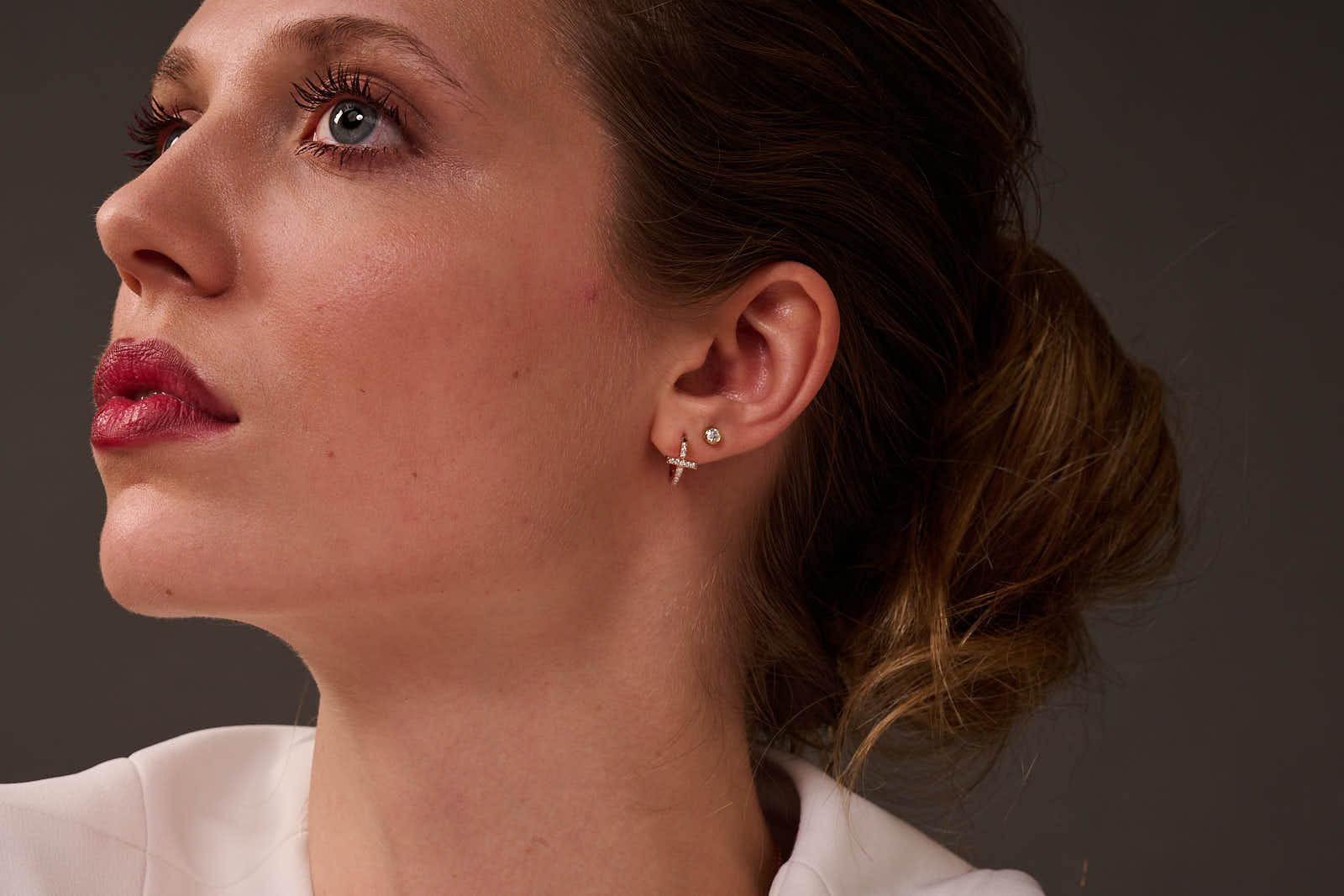
A good buying decision should be based on the complete earring—not carat weight or sparkle alone.
Explore Our Store
View all→Got Questions?
Frequently Asked Questions
Ready to Shop?
A good buying decision rests on the complete earring — stone disclosure, millimetre dimensions, metal, setting, closure, weight and aftercare — rather than carat weight or sparkle alone.
Explore I Want Jewels laboratory-grown diamond earrings and check each product page for its stone identity, dimensions, metal construction, setting, closure and care instructions before comparing pairs.
Continue Reading
More From Lab-Grown Diamond Guides
Are Lab-Grown Diamonds Real Diamonds?
Yes, lab-grown diamonds are real diamonds. Learn how they compare to natural diamonds, fake diamonds, cubic zirconia and moissanite before buying.
Lab-Grown vs Natural Diamonds: What Is the Difference?
Compare lab grown and natural diamonds in simple language. Learn the difference in origin, price, sparkle, value and jewellery use before buying.
Are Lab-Grown Diamonds Worth It?
Find out if lab grown diamonds are worth buying, how they compare to natural diamonds, and when lab grown diamond jewellery makes sense.