
Everyday Lab-Grown Diamond Earrings:
Work and Day-to-Night Guide
The best everyday lab-grown diamond earrings are not necessarily the smallest or simplest pair. They are the earrings that suit your routine, workplace, wardrobe and preferred level of visibility—and that you will genuinely enjoy wearing regularly.
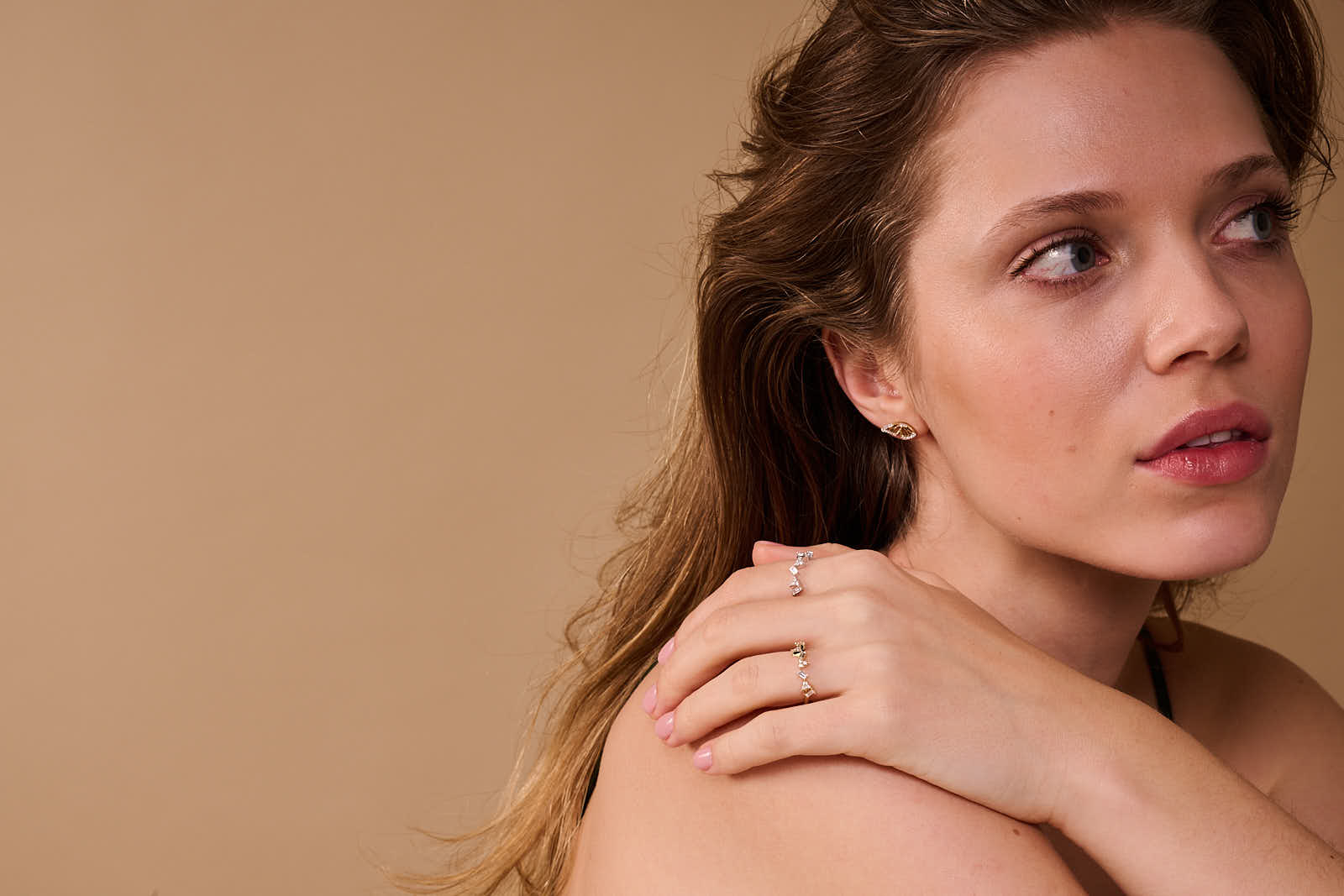
A small diamond stud creates a restrained, classic finish. A medium stud gives the same familiar shape more presence. Huggies sit closer to the ear while adding a curved outline. Small hoops introduce more movement, while minimalist and geometric designs can make workwear feel more contemporary.
This guide explains how to choose everyday diamond earrings for office wear, casual days and plans after work. It also covers proportion, closures, metal colour, modern stud styling and how to build a compact earring wardrobe without buying several pairs that serve the same purpose.
Quick Summary
- Start with a design that complements several outfits
- Small or medium studs suit classic styling
- Huggies give a close, modern silhouette
- Small hoops and geometric earrings add visible shape
- Check dress code, glasses, headphones and high collars
- Compare millimetre measurements, not size labels
- There is no universal "best" everyday earring
Quick answer
For the most versatile everyday earring, begin with a close-fitting design that complements several outfits and does not compete with your clothing. Small or medium diamond studs work well when you prefer classic styling. Huggies suit a close, modern silhouette, while small hoops and geometric earrings provide more visible shape.
For work, consider your employer's dress code, your daily activities and whether you frequently wear glasses, headphones, scarves or high collars. For office-to-dinner use, choose a pair with enough presence to remain visible in evening styling without feeling excessive during the day.
There is no universal "best" everyday earring. The right pair depends on fit, proportion, closure, materials and how the design works with your routine.
See also: Lab-grown diamond earrings
Everyday earring selector
| What you want | Earring direction | Why it may work |
|---|---|---|
| A restrained everyday option | Small diamond studs | Close-fitting, familiar and easy to coordinate |
| More visible classic sparkle | Medium diamond studs | Retains a classic shape with greater presence |
| A modern close-fitting outline | Huggies | Adds curve without the scale of a larger hoop |
| More shape around the ear | Small hoops | Creates a stronger outline and more movement |
| A modern alternative to solitaire studs | Minimalist or geometric earrings | Adds visual interest through form rather than size |
| A work-to-dinner option | Medium studs, geometric earrings or refined hoops | Visible enough for evening styling while remaining versatile |
| A multi-piercing foundation | Small studs or huggies | Easier to combine with smaller supporting earrings |
Use this as a starting point rather than a strict rule. Ear shape, piercing placement and product measurements affect how any earring sits.
Explore Our Store
View all→What makes earrings suitable for everyday wear?
An everyday pair should fit your real schedule. A design can look restrained in a photograph but still feel impractical if it catches on clothing, conflicts with headphones or needs frequent adjustment.
Size and visual presence
Look at the product's millimetre measurements instead of relying only on labels such as small or medium. The same measurement can also look different depending on the setting, diamond shape and wearer's earlobe. Carat weight describes weight, not face-up dimensions.
Profile
Profile describes how far the earring projects from the ear. Close-fitting designs can be easier to coordinate with workwear, scarves and high necklines, although the individual setting and closure still matter.
If you wear over-ear headphones or a headset regularly, compare the product profile with the way your equipment sits. Not every stud or huggie works with every headset.
Weight and movement
Longer and larger earrings generally create more movement. Some people enjoy this throughout the day; others prefer an earring that remains closer to the lobe.
Product pages should provide individual earring weight whenever possible. "Lightweight" only means something when an actual weight or reliable product specification supports it.
Closure and backing
Stud posts, butterfly backs, hinged huggies and hoop closures feel different in use. Check how the earring fastens and whether the closure suits your piercing placement.
Before wearing an important pair, confirm that both backs or closures engage correctly. No closure is secure without product-specific testing or evidence.
Materials and finish
I Want Jewels earrings use lab-grown diamonds with 925 sterling silver and 14kt gold plating. Gold plating is a surface finish rather than solid gold, so the way the full earring is worn and cared for matters.
If you have a known metal sensitivity, check the complete product composition instead of relying on broad terms such as hypoallergenic.
Styling range
A useful everyday pair should work with more than one part of your wardrobe. Before buying, imagine it with three outfits you already wear—for example, a white shirt, knitwear and a simple evening dress. If it only suits one highly specific look, it may be better treated as an occasion pair.
See also: Lab-grown diamond earring size guide
Choosing earrings for work
"Office appropriate" does not have one fixed meaning. A conservative corporate environment, creative studio, hospitality role and home office can have very different practical expectations.
Where a uniform, machinery, protective equipment or workplace safety policy applies, follow those requirements before general styling advice.
| Work environment | Useful earring direction | What to check |
|---|---|---|
| Formal or conservative workplace | Small or medium studs | Setting height, visible scale and dress code |
| Smart-casual office | Studs, huggies or minimalist earrings | How the design works with shirts, knitwear and tailoring |
| Creative workplace | Geometric earrings, huggies or small hoops | Movement, size and whether the pair competes with detailed clothing |
| Client meetings or presentations | Studs or a restrained modern design | Visibility on video and balance with the neckline |
| Hybrid or video-based work | Medium studs or a defined close-fitting shape | Whether the earring remains visible without becoming distracting |
| Active or safety-controlled workplace | Employer-approved close-fitting jewellery or no jewellery | Uniform and safety requirements |
Small diamond studs are an accessible starting point because their shape is familiar and restrained. However, they are not the only professional option. A huggie or geometric earring can look equally considered when its scale suits the environment.
Diamond studs for everyday and office wear
Diamond studs remain one of the easiest earring styles to repeat because the basic shape works with tailoring, knitwear, casual clothing and evening outfits.
Small studs create a quieter result. They can support a necklace, patterned blouse or detailed neckline without adding another strong focal point. Medium studs bring more attention towards the face and may suit people who want their earrings to remain noticeable on video calls or after work.
Choose between them according to visible dimensions rather than assuming that one size is automatically better for work.
See also: Lab-grown diamond stud earrings guide
How to make classic diamond studs look more modern
Classic studs do not need to look traditional. Small changes elsewhere in the styling can alter their character. Try one of these approaches:
- Pair a clean stud with a sharp blazer, monochrome knit or structured shirt.
- Combine one main stud with a smaller huggie or minimalist earring when you have multiple piercings.
- Leave more negative space around the ear by wearing the hair behind one side.
- Use a white or silver-toned finish for a cooler visual effect.
- Use yellow gold when you want warmth against neutral, green, black or brown clothing.
- Let the studs become the brightest detail by keeping other jewellery restrained.
- Pair medium studs with an open neckline for a clearer transition into evening styling.
See also: Diamond ear stack ideas
See also: How to stack earrings
Huggies and small hoops for everyday wear
Huggies add a curved outline while usually remaining closer to the ear than larger hoops. This makes them useful when you want more shape than a stud but do not want the earring to dominate the outfit.
Small hoops create a more visible circle and usually introduce more movement. They can work particularly well with simple clothing, relaxed tailoring and office-to-dinner outfits.
When comparing the two, check:
- External and internal diameter
- Width of the hoop
- Earring weight
- Hinge or closure type
- Diamond placement
- Space available around your piercing
- How the design sits with glasses, hair and clothing
See also: Hoop vs huggie earrings
See also: What are huggie earrings?
Minimalist and geometric earrings for work
Minimalist does not have to mean invisible. A clean line, small curve or geometric outline can add character without relying on a large scale.
These designs are useful when solitaire studs feel too traditional but larger hoops feel too prominent. They work especially well with:
- Tailored blazers
- Plain shirts
- Fine knitwear
- Monochrome outfits
- Simple dresses
- Clean, collarless necklines
When the clothing already contains strong prints, embellishment or architectural details, choose a simpler earring shape so the elements do not compete.
See also: How to style geometric earrings
See also: Minimalist earrings guide
How to take earrings from the office to dinner
Office-to-dinner styling does not always require changing earrings. Instead, choose a pair with a restrained daytime shape and enough definition to remain visible in evening lighting.
A simple transition can follow four steps:
- Keep the same medium studs, geometric earrings or small hoops.
- Remove or open the blazer to change the neckline.
- Add one complementary piece, such as a bracelet or restrained necklace.
- Adjust the hair so the earrings become more visible.
Medium diamond studs work well when you prefer classic styling. Geometric earrings create a more contemporary transition, while small pavé hoops provide a stronger curved outline.
Avoid adding several new focal points at once. If the earrings become more visible in the evening look, keep the necklace or neckline comparatively simple.
Building a compact everyday earring wardrobe
You do not need a different pair for every outfit. A well-planned three-pair capsule can cover most everyday, work and evening situations.
| Capsule role | Suggested style | Typical use |
|---|---|---|
| Quiet foundation | Small diamond studs | Restrained workwear, casual outfits and supporting detailed clothing |
| Modern everyday option | Huggies or minimalist/geometric earrings | Smart-casual work, knitwear and contemporary outfits |
| More visible option | Medium studs or refined hoops | Presentations, dinners, weekends and evening plans |
Choose pieces that differ in function. Buying several pairs with almost identical scale and shape may not add much styling range.
Choosing a metal colour
The most versatile metal colour is usually the one that already appears most often in your jewellery wardrobe.
Yellow gold creates a warmer visual effect and works naturally with cream, brown, green, black and warm neutrals. White or silver-toned finishes can look cleaner and cooler with grey, navy, white and monochrome styling. Rose gold creates a softer contrast with blush, burgundy and muted colours.
These are styling directions, not strict colour rules. Your preference, wardrobe and existing jewellery matter more than generic undertone formulas.
Caring for earrings worn regularly
Lab-grown diamonds are the stones; an earring also includes metal, plating, settings, posts, hinges and backs. Those components determine how the complete piece should be handled.
For pieces with 925 sterling silver and 14kt gold plating:
- Put earrings on after perfume, lotion, hairspray and makeup.
- Remove them before showering, swimming and exercise.
- Avoid sleeping in them.
- Wipe them gently after wearing.
- Store pairs separately to reduce rubbing and tangling.
- Inspect settings, posts, hinges and backs periodically.
- Follow the product's specific care instructions.
See also: How to clean lab-grown diamond earrings
Final buying checklist
Before choosing everyday lab-grown diamond earrings, ask:
- Where will I wear them most often?
- Does my workplace have jewellery or safety requirements?
- Do I prefer restrained or clearly visible earrings?
- What are the actual millimetre measurements?
- How far does the setting project from the ear?
- What is the earring's individual weight?
- What closure or backing does it use?
- Will it work with my glasses, headphones, hair and clothing?
- Does the metal colour coordinate with my existing jewellery?
- Can I style it with at least three outfits I already own?
- Does it serve a different purpose from the earrings I already have?
- Am I prepared to follow the care instructions for a plated finish?
The strongest everyday purchase is not simply the pair with the most sparkle. It is the one whose proportions, fit, design and care requirements suit the way you actually live.
Explore Our Store
View all→Got Questions?
Frequently Asked Questions
Ready to Shop?
The strongest everyday purchase is not the pair with the most sparkle. It is the one whose proportions, fit, design and care requirements suit the way you actually live.
Explore I Want Jewels lab-grown diamond earrings and check each product page for its millimetre dimensions, setting profile, weight, closure and care instructions before choosing an everyday pair.
Continue Reading
More From Earring Styling Guides
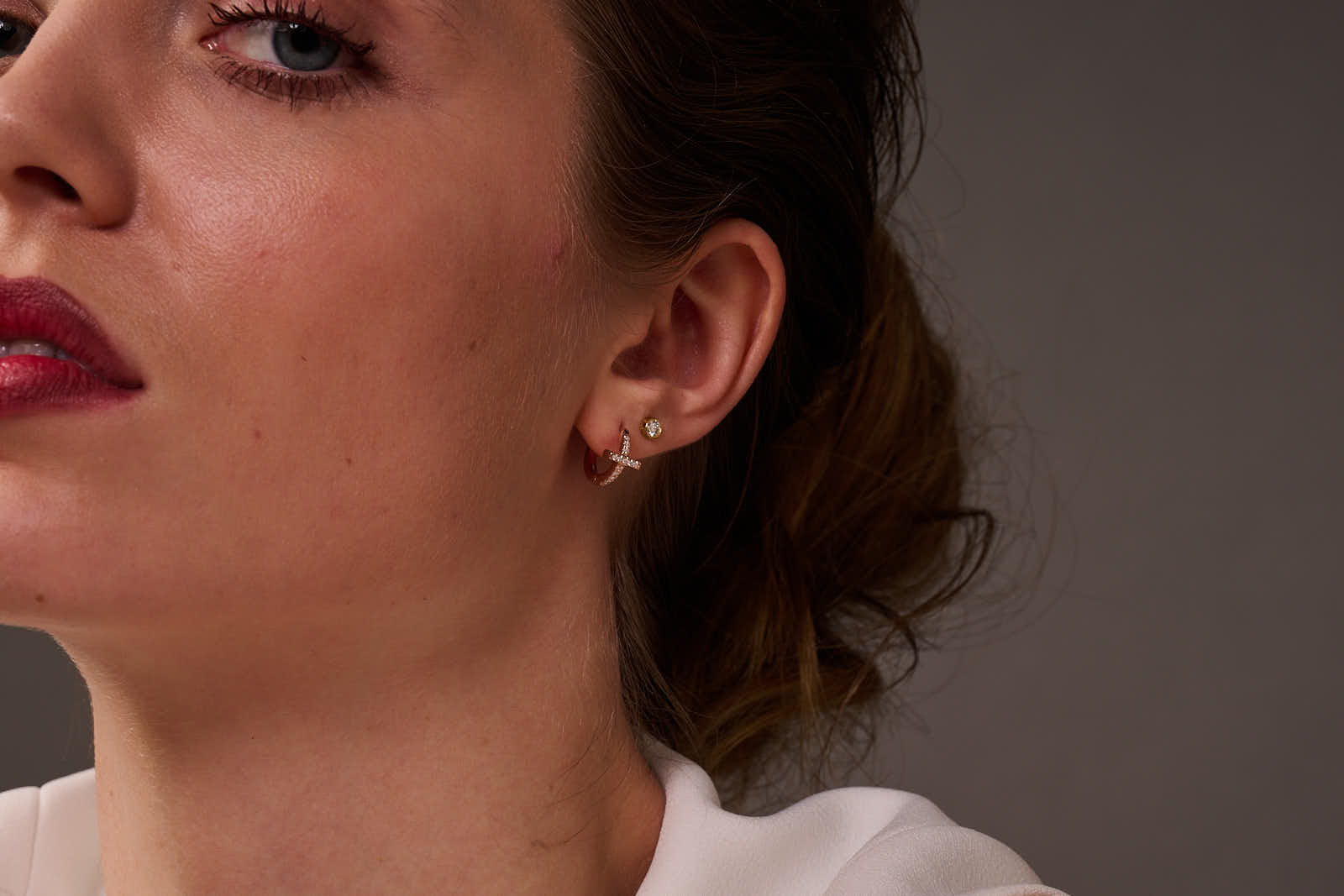
How to Stack Earrings: Complete Ear Stack Guide
Learn how to stack earrings step by step: choose a focal piece, vary the scale, repeat one feature and check spacing across two or three piercings.
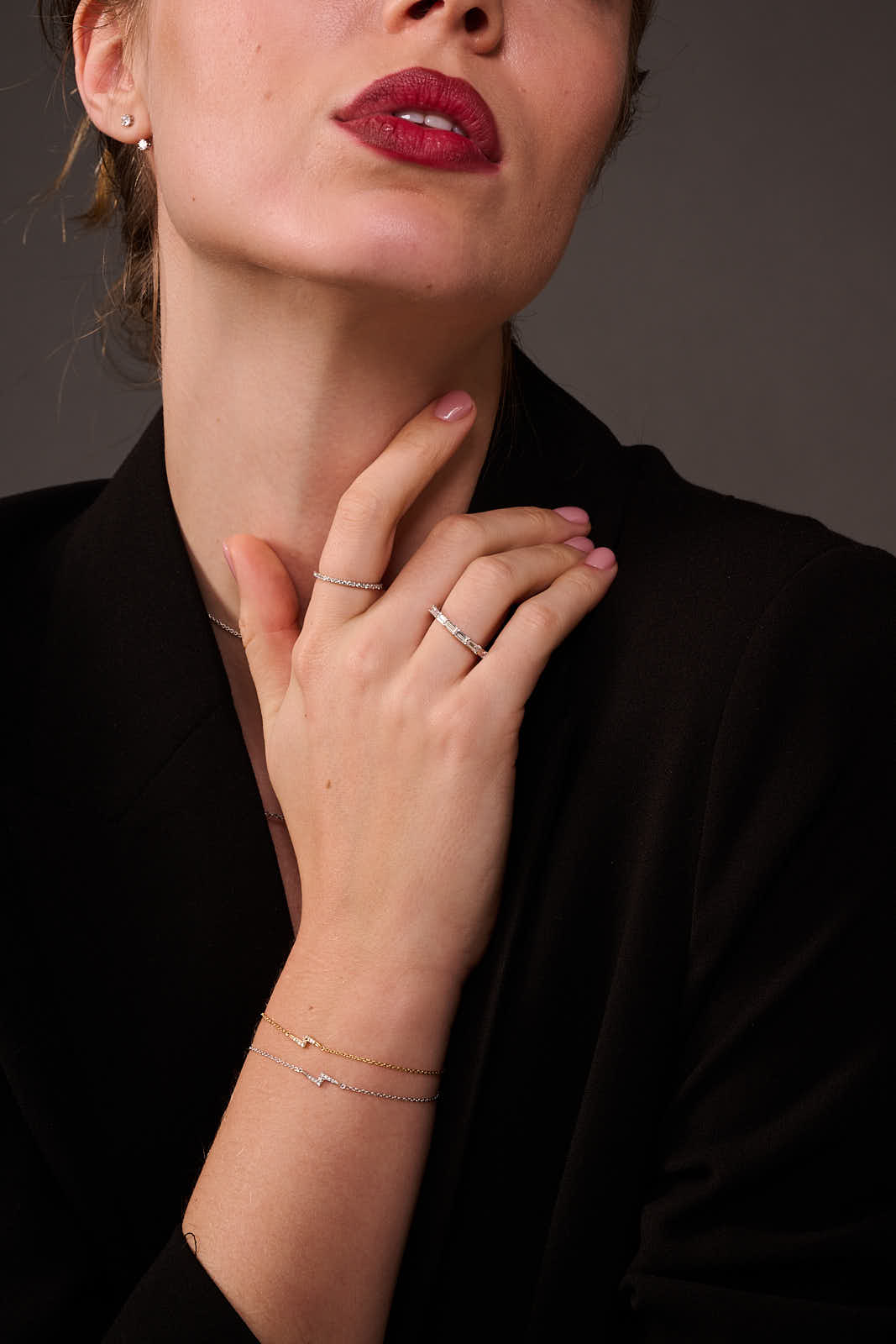
Diamond Ear Stack Ideas: 15 Curated Looks
Fifteen diamond ear stack ideas for two and three piercings, covering minimalist, everyday, workwear, wedding guest and evening combinations.
Minimalist Earrings Guide: Styles & Buying Tips
Learn how to choose minimalist earrings by style, size, metal, closure and sparkle. Compare studs, huggies, slim hoops and subtle diamond designs.