
Are Lab-Grown Diamond Earrings Worth It?
An Honest Value Guide
Lab-grown diamond earrings can be worth buying when you want genuine diamond jewellery that you will wear regularly and the complete earring is well made for its price. However, they may not be the right purchase if your main priority is resale value, mined rarity or guaranteed price appreciation.
The word "value" should not refer only to the diamond or its carat weight. The setting, metal, backing, finish, dimensions, design, aftercare and how frequently the earrings will be worn all contribute to whether a pair offers good value.
This guide provides an honest framework for deciding whether lab-grown diamond earrings are worth it for you.
Quick Summary
- You want diamonds rather than diamond simulants
- The laboratory-grown origin is clearly disclosed
- You expect to wear the earrings regularly
- The design works with more than one outfit or occasion
- The metal, setting and backing are appropriate for the price
- Measurements and total carat weight are transparent
- You are buying for appearance and use rather than resale
Quick answer: are lab-grown diamond earrings worth it?
Yes, lab-grown diamond earrings can be worth it — but the answer depends on what you want from them.
They may not be worth it when:
- You expect them to increase in financial value.
- Mined origin and natural rarity are essential to you.
- The seller provides vague material or diamond information.
- You are paying mainly for a large carat number without examining the complete earring.
- The style is unlikely to be worn regularly.
- Environmental or ethical claims are made without supporting evidence.
See also: Lab-grown diamond earrings
What does "worth it" mean for earrings?
A pair of earrings can be worth its price for several different reasons. One buyer may value subtle earrings that can be worn frequently. Another may prefer a more decorative design that completes formal outfits. A gift buyer may prioritise presentation, symbolism and the recipient's personal style.
A useful value assessment considers five areas:
- Material value: what type of diamond, metal and finish are used?
- Construction value: how well are the setting, post, backing and moving parts made?
- Wear value: how regularly are the earrings likely to be worn?
- Design value: does the design suit the buyer's wardrobe and intended occasions?
- Service value: are returns, care information, repairs and product support clearly explained?
The biggest diamond or highest price does not automatically provide the best value. A smaller, well-proportioned pair worn regularly may be more worthwhile than a larger design that remains unworn.
Explore Our Store
View all→Are lab-grown diamonds genuine diamonds?
Laboratory-grown diamonds have essentially the same chemical composition, crystal structure and physical properties as diamonds formed in nature. Their origin is different: one is created in a controlled laboratory environment, while the other forms naturally underground.
Lab-grown diamonds are therefore different from cubic zirconia, glass and moissanite. Those materials may resemble diamonds, but they are not diamonds.
The laboratory-grown origin must always be communicated clearly. A product title and description should consistently use terms such as "lab-grown diamond" or "laboratory-grown diamond" rather than leaving the shopper to assume the origin. The Gemological Institute of America publishes reference material explaining the similarities and differences between laboratory-grown diamonds, natural diamonds and simulants.
See also: What are lab-grown diamonds?
Why can lab-grown diamond earrings offer practical value?
Earrings are normally purchased to be worn rather than stored as loose stones. Their value is therefore closely connected to usability.
Unlike a ring, earrings do not require an exact finger size. A versatile pair may work with casual clothing, workwear and evening outfits. This can make earrings easier to repeat and easier to give than some other jewellery categories.
Lab-grown diamonds can allow a shopper to focus on the earring's design and visible appearance without paying specifically for mined origin. However, this does not mean every pair of lab-grown diamond earrings is automatically good value. The diamond is only one component of the finished piece.
Calculate value through cost per wear
Divide the purchase price by the number of times you expect to wear the earrings.
A pair worn frequently over several years may produce a lower cost per wear than a cheaper pair worn only once or twice.
Before purchasing, ask:
- Can I imagine wearing these earrings with at least five existing outfits?
- Will they work for more than one type of occasion?
- Does the closure suit how I normally wear earrings?
- Is the design likely to remain relevant to my personal style?
- Will the earrings require more maintenance than I am willing to provide?
Cost per wear does not measure emotional meaning or resale value. It simply provides a practical way to compare the purchase price with likely use.
What are you actually paying for?
The value of an earring comes from the complete product—not only the stones.
| Component | What should be disclosed? | Why it matters |
|---|---|---|
| Diamonds | Laboratory-grown origin, number of stones and stated weight | Confirms what the product contains |
| Carat information | Per stone, per earring or total for the pair | Prevents misleading size assumptions |
| Setting | Setting style, alignment and finishing | Holds the stones and affects appearance |
| Base metal | Sterling silver, gold or another disclosed metal | Influences care, appearance and price |
| Surface finish | Gold plating, vermeil or another finish | Determines maintenance expectations |
| Post and backing | Metal and closure type | Affects fit and usability |
| Measurements | Width, length and face-up dimensions | Helps shoppers understand scale |
| Product weight | Weight per earring or pair where available | Helps assess how substantial the design may feel |
| Service | Returns, warranty and repair information | Adds practical purchase protection |
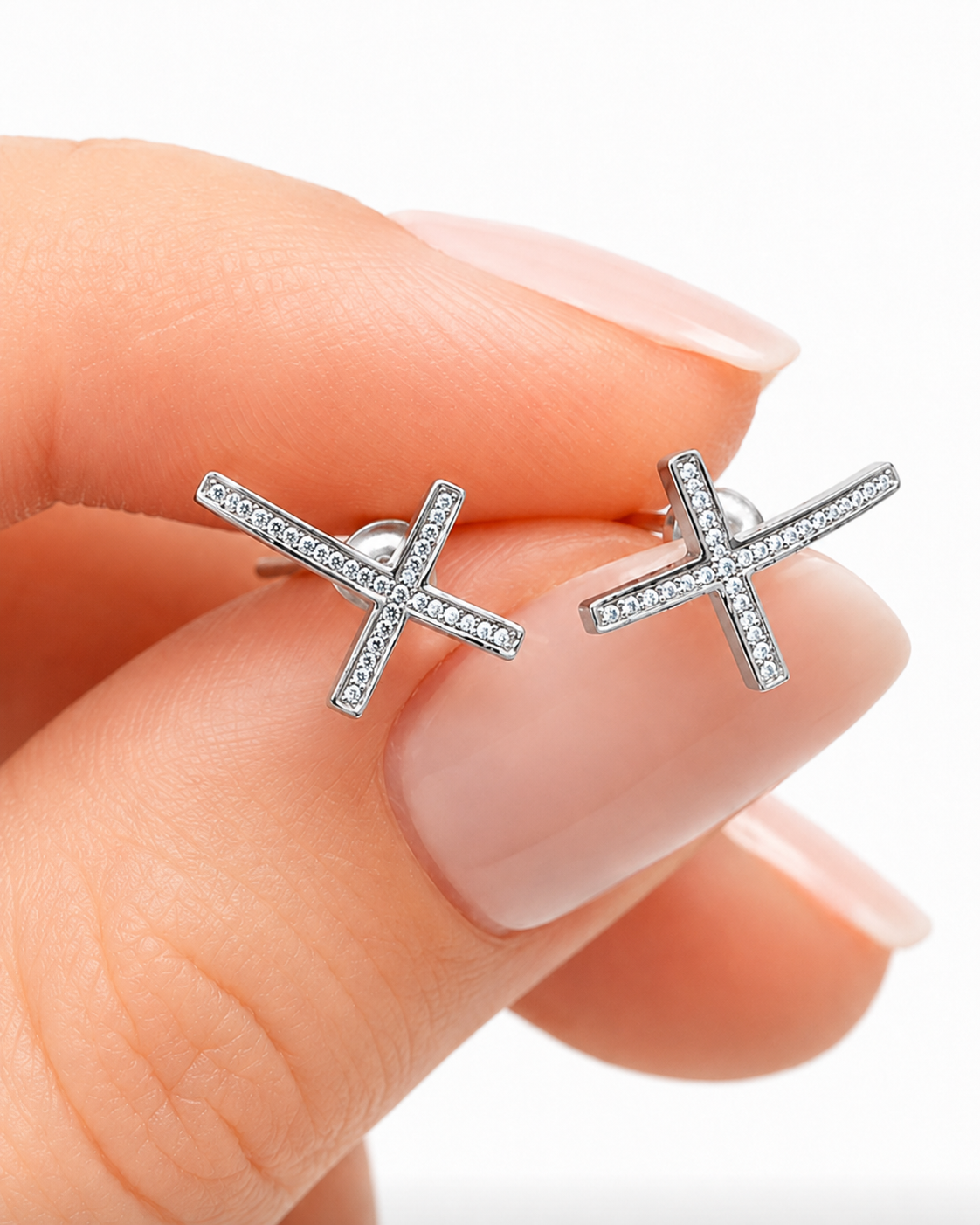
A product listing that provides only a lifestyle photograph and a broad carat statement does not give the shopper enough information to judge value accurately.
Does a lower price mean lower quality?
No. A lower price does not automatically mean that a lab-grown diamond is lower quality. Laboratory-grown and natural diamonds reach the market through different supply systems and should not be assumed to have the same pricing structure.
However, the finished earring still needs to be evaluated carefully. A genuine lab-grown diamond can be placed in a weak setting, combined with an unsuitable backing or sold with unclear metal information.
Check the entire product instead of treating "lab-grown diamond" as a complete quality guarantee.
See also: Lab-grown diamond earrings price guide
Lab-grown vs natural diamond earrings: which offers better value?
Neither origin is automatically better for every buyer.
| Buyer priority | More suitable direction |
|---|---|
| Diamond jewellery for regular wear | Lab-grown or natural, depending on budget and design |
| Greater visual presence within a fixed budget | Often lab-grown |
| Mined geological origin | Natural |
| Traditional rarity | Natural |
| Strong resale expectations | Neither should be assumed to guarantee a return |
| Jewellery purchased primarily for use | Either, with lab-grown often providing another accessible option |
The comparison should be based on equivalent products. Compare similar diamond sizes, disclosed quality, metal, setting, backing and seller services rather than comparing unrelated designs.
See also: Lab-grown vs natural diamonds
Do lab-grown diamond earrings hold their value?
Lab-grown diamond earrings should not be purchased with an assumption of guaranteed resale value. Resale prices depend on:
- Current market demand.
- Diamond specifications.
- Metal and construction.
- Brand recognition.
- Product condition.
- Documentation.
- The buyer or resale platform.
- Changes in the price of newly produced laboratory-grown diamonds.
The amount originally paid does not guarantee the amount that another buyer will pay later. Natural diamond jewellery also does not automatically resell for its original retail price.
If resale is central to your decision, obtain independent information about the current secondary market before purchasing. If the earrings are being bought to wear and enjoy, cost per wear may be a more useful measure than potential resale.
Will lab-grown diamond earrings last?
A lab-grown diamond does not become cubic zirconia, moissanite or another material over time. However, the appearance and usable life of the earrings depend on the complete piece.
Residue from skin products, cosmetics and haircare can reduce visible sparkle until the earrings are cleaned. Settings can loosen through wear or impact. Posts can bend, backs can lose tension and plated finishes can change through friction and exposure.
When purchasing, consider:
- The durability of the setting.
- The thickness and care requirements of the finish.
- Whether replacement backs are available.
- Whether the earrings can be inspected or repaired.
- Whether the brand provides clear care instructions.
See also: How to clean lab-grown diamond earrings
Is 925 sterling silver with gold plating worth it?
Sterling silver with gold plating can be suitable when the shopper wants a gold-toned finish without purchasing solid-gold earrings. However, it must be described accurately.
Gold plating is a surface layer. It is not the same as solid gold and may gradually change through friction, moisture, cosmetics, perfume and cleaning products.
Before purchasing plated earrings, check:
- The base metal.
- The stated gold purity of the plating.
- Whether the post and backing use the same material.
- Available finish colours.
- Care instructions.
- Whether replating or repair is available.
The value depends on whether the price accurately reflects the diamonds, sterling-silver base, plated finish, construction and design.
See also: 14kt gold-plated jewellery guide
Are lab-grown diamond earrings automatically sustainable?
No environmental claim should be accepted or made solely because a diamond was grown in a laboratory.
Environmental impact may depend on energy sources, manufacturing processes, transportation, materials, packaging and the complete supply chain. If sustainability affects your purchase, look for specific, current and verifiable evidence rather than broad terms such as "green", "eco-friendly" or "sustainable".
The UK Competition and Markets Authority's Green Claims Code advises businesses to support environmental claims with credible evidence and communicate the complete context. Products should not be described as environmentally friendly, ethical, carbon-neutral or sustainable unless those specific claims can be substantiated.
When are lab-grown diamond earrings worth buying?
You will wear them regularly
A versatile style can produce stronger practical value through frequent use.
You care more about design than mined origin
If the visible appearance and complete earring design matter more to you than geological origin, laboratory-grown diamonds may suit your priorities.
The product information is transparent
Clear disclosure of the diamond origin, total weight, metal, finish, dimensions and backing makes it easier to judge whether the price is reasonable.
You want genuine diamonds rather than simulants
Lab-grown diamonds provide a different material proposition from cubic zirconia and moissanite.
The complete construction suits the intended use
A suitable setting, post and backing matter just as much as the stone when earrings will be worn frequently.
See also: Lab-grown diamonds vs cubic zirconia
See also: Lab-grown diamonds vs moissanite
When might they not be worth it?
Reconsider the purchase when:
- You expect guaranteed resale value.
- You specifically want a naturally formed diamond.
- Product measurements or materials are missing.
- The diamond origin is ambiguous.
- The carat figure is not explained clearly.
- The price is based primarily on marketing language.
- The design does not match your actual wardrobe.
- The backing or setting appears unsuitable for the intended use.
- Environmental claims are unsupported.
- The returns, warranty or care terms are unclear.
Uncertainty does not always mean the product is unsuitable, but it means you should request more information before ordering.
A value checklist before buying
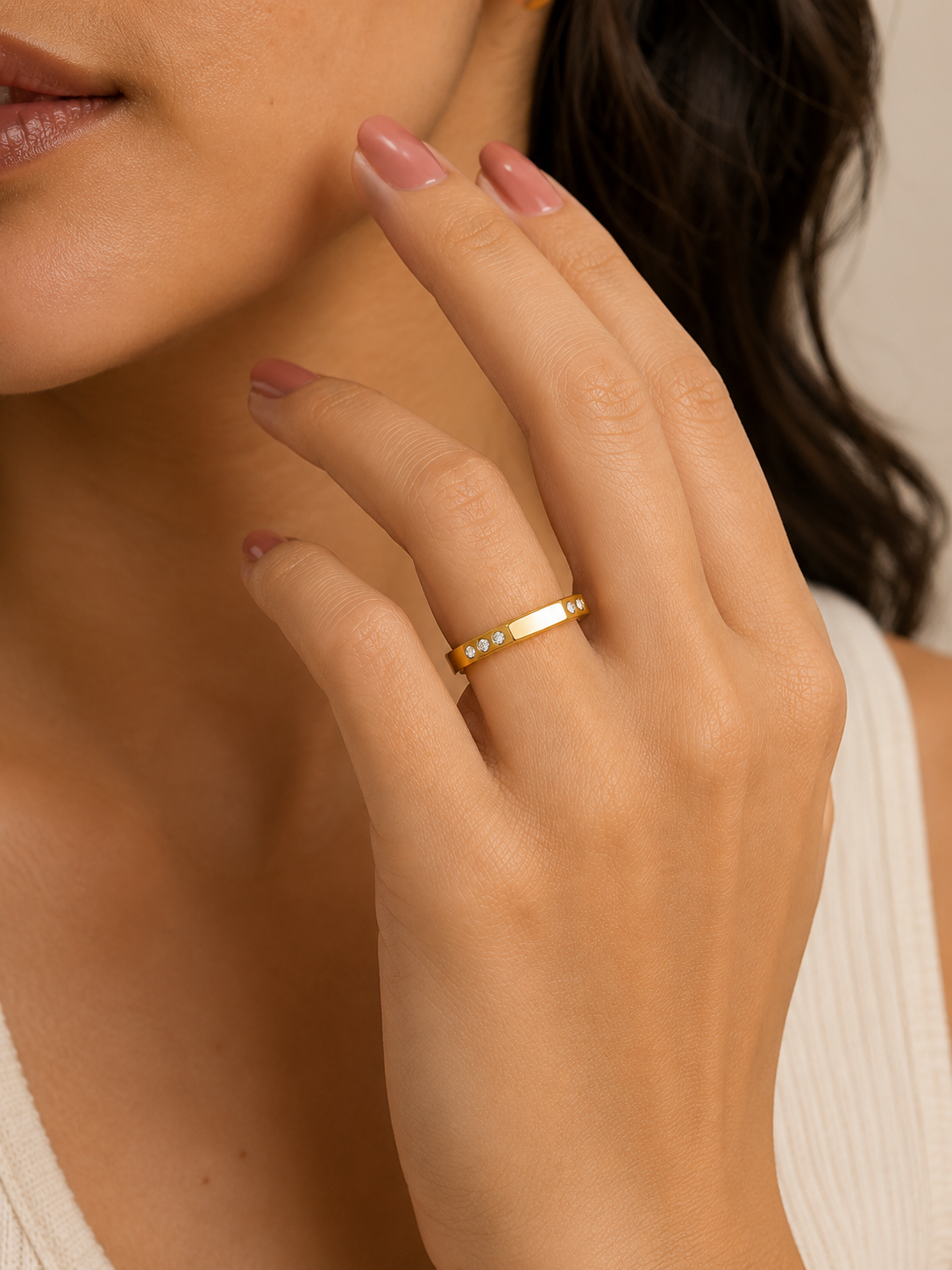
Ask these questions:
- Are the stones clearly identified as lab-grown diamonds?
- Is the carat weight stated per stone, per earring or for the pair?
- Are face-up dimensions provided in millimetres?
- Is the base metal disclosed?
- Is any plating or surface finish explained?
- Are the post and backing materials stated?
- Can I see the front, side and back of the earrings?
- Does the design work with several outfits I already own?
- Am I comfortable with the maintenance requirements?
- Are returns, warranty and care information available?
- Am I buying the earrings to wear rather than expecting a financial return?
- Does the complete product justify the current price?
See also: Lab-grown diamond earrings buying guide
Final verdict
Lab-grown diamond earrings can be worth it when they provide the appearance, design and wearability you want at a price supported by transparent product information.
Judge the complete earring—not only the diamond or carat figure. Check the setting, metal, finish, dimensions, backing, care requirements and seller support. Buy them to wear and enjoy, while treating resale and environmental claims cautiously unless credible evidence is available.
Explore Our Store
View all→Got Questions?
Frequently Asked Questions
Ready to Shop?
Judge the complete earring — setting, metal, finish, dimensions, backing, care and seller support — not only the diamond or carat figure. Buy to wear and enjoy, and treat resale and environmental claims cautiously.
Explore I Want Jewels lab-grown diamond earrings and check each product page for its stone disclosure, measurements, metal construction, backing and care information before deciding whether a pair is worth it for you.
Continue Reading
More From Lab-Grown Diamond Guides
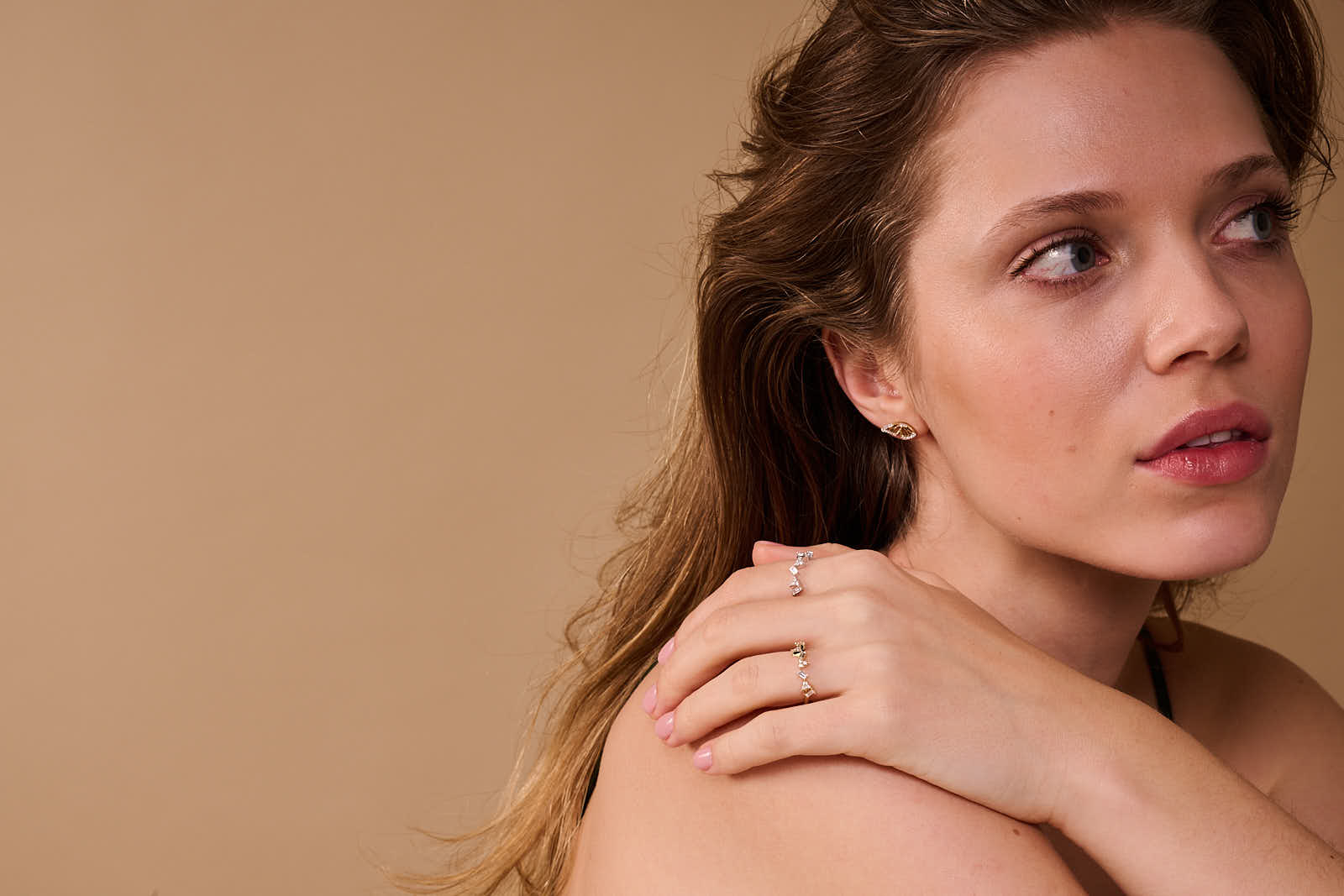
Are Lab-Grown Diamonds Real Diamonds?
Yes, lab-grown diamonds are real diamonds. Learn how they compare to natural diamonds, fake diamonds, cubic zirconia and moissanite before buying.

Lab-Grown vs Natural Diamonds: What Is the Difference?
Compare lab grown and natural diamonds in simple language. Learn the difference in origin, price, sparkle, value and jewellery use before buying.
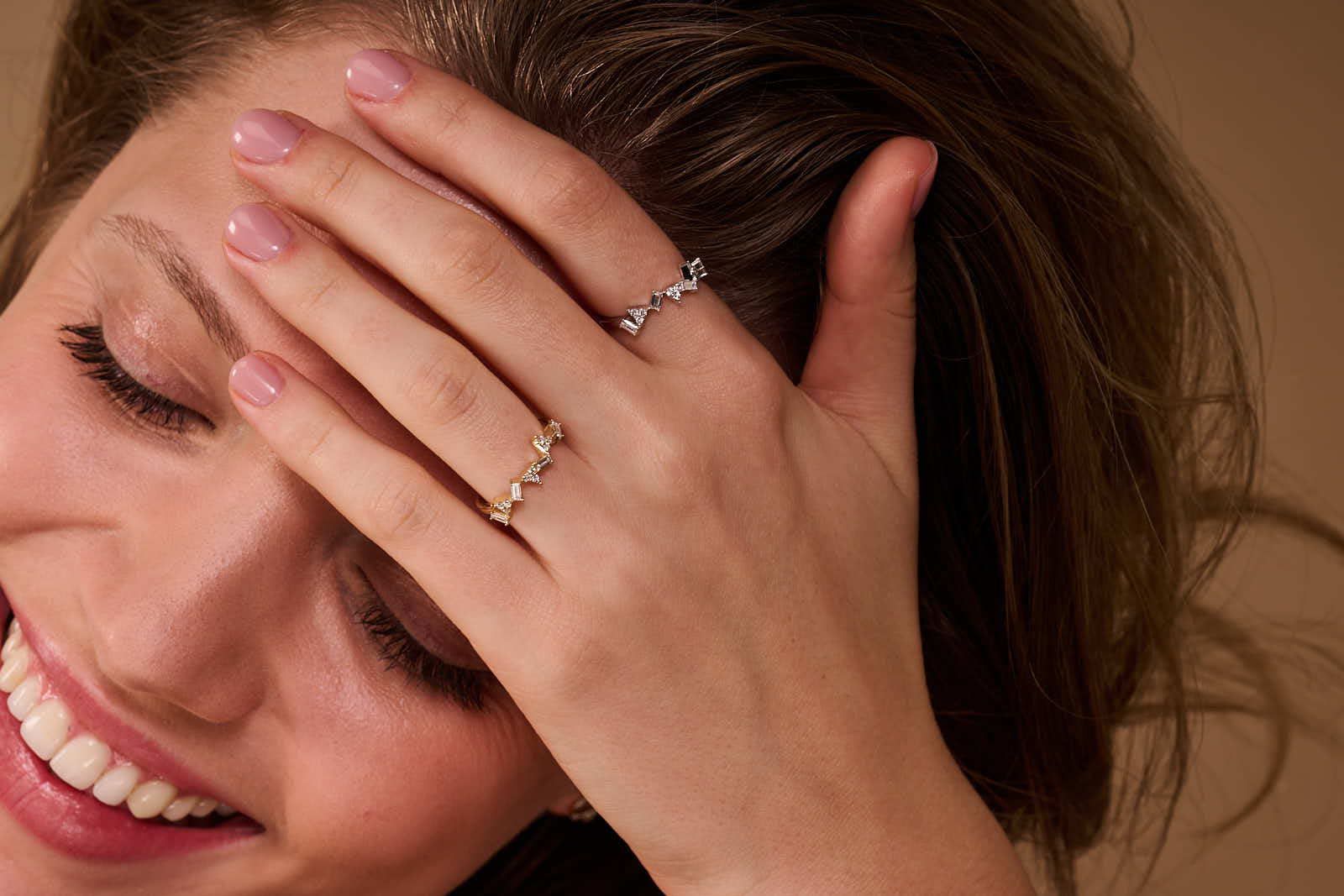
Are Lab-Grown Diamonds Worth It?
Find out if lab grown diamonds are worth buying, how they compare to natural diamonds, and when lab grown diamond jewellery makes sense.